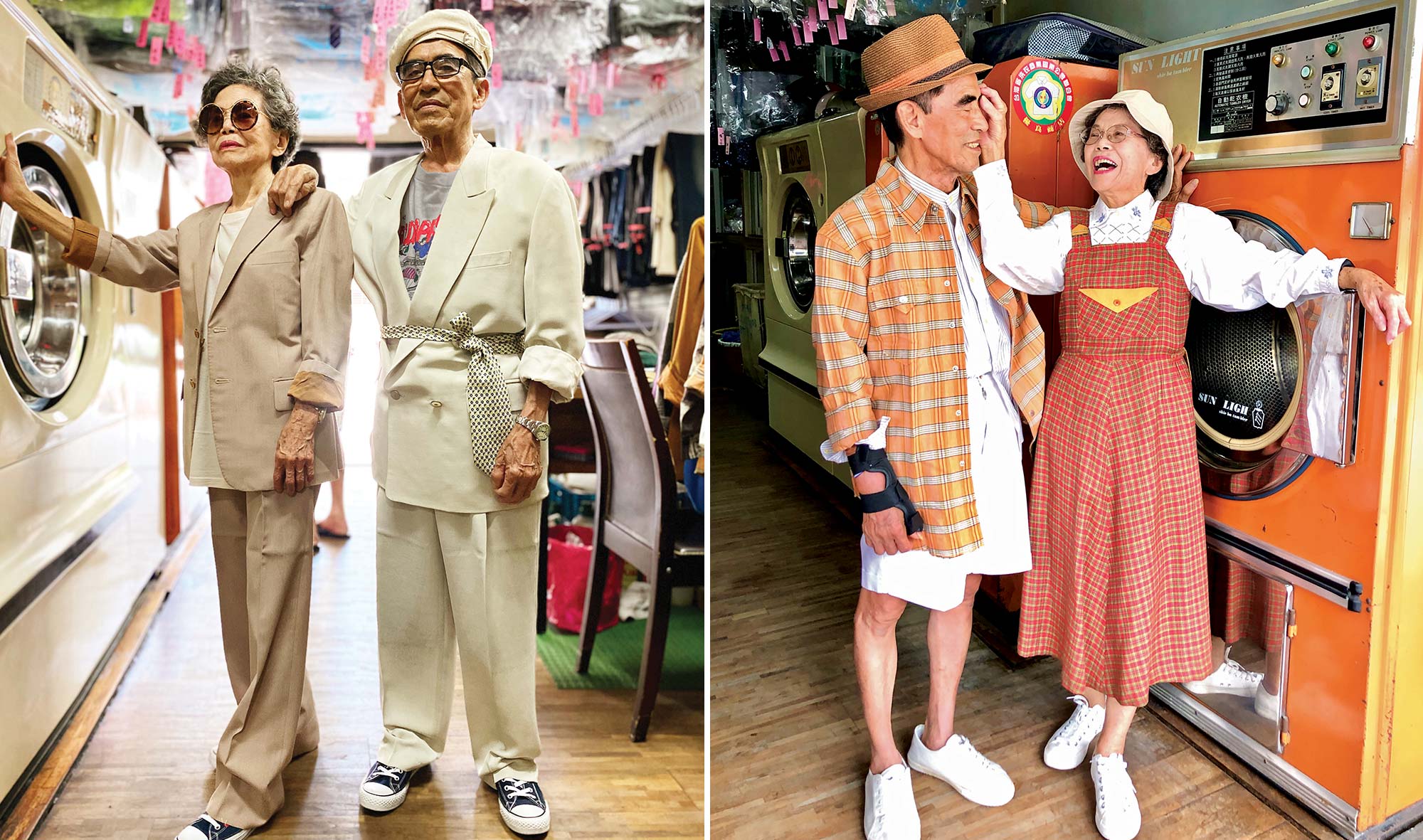
Idea in Brief The Challenge The average U.S. household contains reusable goods worth roughly $4,500. Collectively, that’s a significant trove of trapped value—and an opportunity for companies that can access it. The Context The resale market is expanding dramatically. According to one estimate, the U.S. market is already approaching $175 billion, fueled in large part by Gen Z consumers and a growing interest in sustainability. The Way Forward Companies entering the resale market need to devise friction-free processes for consumers, consider working with third-party platforms, target Gen Z consumers, develop brand-loyalty initiatives, and build portfolios that integrate new and used merchandise. If you’re like most people, you’re good at acquiring stuff—but not so good at getting rid of it. The challenge can be psychological. We all get attached to things, especially when they have sentimental or material value. But often the challenge is practical: What do you do with that computer you’ve replaced, or that pair of boots that has never fit right, or that fancy watch you no longer wear? If you’re unable or unwilling to figure out the answer, you probably engage in a practice known as “deferred disposal.” Initially, it involves doing nothing at all. You simply let your stuff sit—tucked under a desk, stashed in a closet. Then, as the clutter in your life accumulates, you move it into your basement or garage or even pay to put it in a storage unit. For years it might gather dust, vaguely bothering you, but eventually the time comes when you—or the people who inherit it from you—decide just to get rid of it, usually by throwing all of it away. People engage in this kind of behavior a lot. In 2021 the research and consulting firm GlobalData estimated that each U.S. household holds on to a trove of potentially reusable goods worth $4,517, on average—and a similar pattern holds internationally. That’s a lot of trapped value, and companies are at last getting serious about accessing it. How? By developing their resale capabilities. Resale has been with us a very long time—at yard sales, on used car lots, in classified ads. What’s changing is the magnitude of the market, boosted to a significant degree by Gen Z consumers and a growing demand for sustainability. GlobalScan, a research and advisory firm, reports that 74% of global consumers shop resale. The dominant categories are apparel, electronics, and home goods. All sorts of major brands, from Apple and Nike and Rolex to Walmart and Lululemon, are moving into the market. The resale market for sneakers alone today is estimated to be more than $5 billion, with international markets outselling the U.S. market. Rare pairs sell for thousands of dollars—a situation that has prompted some financial firms, among them TD Cowen, to identify sneakers as an “alternative asset class.” Allied Market Research estimated that in 2021 the global market for refurbished and used mobile phones was worth $52 billion. GlobalData estimates that in 2023 the total resale market in the United States is roughly $175 billion. There are significant opportunities here. In this article, I’ll focus on the potential benefits of resale and whether your company should commit to a resale program. I’ll also suggest guidelines for resale success, drawing on interviews with executives who work at companies that are actively pursuing resale and at third-party platforms that have become important partners for major brands in the resale ecosystem. The Benefits of Resale The most compelling reason to initiate resale programs, of course, is to drive sales and profits. Some product categories are more amenable to resale than others, especially those at higher price points in fashion, accessories, and technology. Apple, for example, refurbishes and resells iPhones—so many that, according to one estimate, the company’s used iPhone business accounts for nearly half the global refurbished smartphone market. Some brands, especially those that emphasize vintage offerings or have a sustainability positioning, can quite naturally conduct resale. Coach, for instance, created Coach (Re)Loved, a program that acquires, restores, and resells the company’s own bags and emphasizes sustainability. (“Shop our pre-loved bags or trade yours in to be recycled or reimagined,” the company explains on its website—“either way, you’re helping create a less wasteful way of doing things.”) I asked Peter Land, a senior vice president at Dick’s Sporting Goods, what he had learned since his company had entered the resale market. He told me that reselling “hard goods” (which include sports equipment) has been “an easier lift than soft goods” (which include sports clothing). Soft goods, he noted, require more intensive handling, have more styles and sizes, and have greater levels of differentiation. What should really worry companies is this: If they don’t sell their own used products, someone else will. Luxury brands have been somewhat apprehensive about embracing resale. Their concern is that consumers might “trade down” within the brand from new to pre-owned goods, which have lower margins. Fashion brands might also worry that the consumers drawn to resale might not be part of the market segment they hope to attract. Those fears are overstated. To address concerns about trading down, some companies can use pricing policies to limit the gap between new and used products, as Apple has done. Others can design their websites to show new and resale items in separate sections, as REI has done with outdoor gear and equipment. As for the reputation concern: Resale can be a powerful way for companies to attract new customers. It’s true that some customers, especially younger, less affluent ones, are likely to trade down if given the opportunity. (Why buy a new winter coat for $300 if you can buy a gently used one directly from the company for just $200?) But over the long term many of those customers will trade up as they develop brand loyalty and earn higher incomes. What should really worry companies is this: If they don’t sell their own used products, someone else will. Serious third-party resale platforms now exist in the luxury space, among them the RealReal, which bills itself as “the world’s largest and most trusted resource for authenticated luxury resale” and held an IPO in 2019. Other players in the space include Rebag (“the authority in buying, selling, and trading luxury accessories including handbags, fine jewelry, watches, and small leather goods”) and Fashionphile (“attainable luxury curated for you”), which have demonstrated that the third-party model is profitable at scale. These companies use digital technology to remotely determine the authenticity and assess the condition of products from customers and then make offers. They take title of an item only after they have agreed on a price with the seller and the item is in their possession. Companies whose products generate significant revenue in secondary markets would be wise to consider ways of competing in them rather than ceding all profits and control to such platforms. Rolex, for example, has embraced the idea of resale and now offers customers pre-owned watches that it has certified as authentic. “Because they are built to last,” the company website declares, “Rolex watches often live several lives.” Gen Z and Sustainability If your brand appeals to younger consumers, and especially members of Gen Z (born between 1997 and 2012), a resale program might be for you. Gen Zs constitute 20% of the U.S. population, which makes them an important demographic group purely in terms of numbers. But they’re also important because they’re trailblazers. When it comes to experimentation and adoption in many product categories, particularly in technology and fashion, members of Gen Z lead the way. In many respects they are the ones who have fueled the explosive growth of the resale market, in part by rejecting the long-standing stigma associated with buying secondhand items. Clothing is a powerful and visible means of displaying status, and what we’re now seeing among Gen Zs is a kind of reverse conspicuous consumption, in which they convey status by showing themselves to be “good thrifters.” The guiding principle seems to be “admire me not for how much I spend but how much I save.” Gen Zs are powerfully motivated by the idea of sustainability—a topic that now permeates business and policy discussions. Many younger consumers aspire to a sustainable lifestyle and see the resale market as a means to that end. Research from Wharton and First Insight shows that 75% of Gen Zs say they take sustainability into account when making purchases, and many of them say they’re willing to pay more for sustainable options. The data doesn’t yet indicate whether their actual purchasing decisions reflect those statements, but members of Gen Z have made their values clear. According to Oliver Chen, the head of Retail and Luxury at TD Cowen, if you ignore resale, “you are excluding younger consumers and other consumers who are committed to sustainability.” The owners of Want Show Laundry in central Taiwan, Chang Wan-ji and Hsu Sho-er, model outfits curated from the hundreds of items forgotten by customers. These photographs were taken by their grandson, Chang Reef. Their eclectic styles have made the octogenarian couple an internet sensation. A compelling example of this growing focus on sustainability is the “thrift haul,” a relatively new phenomenon in which Gen Zs buy items (generally clothes) at thrift shops or online sites and then wear and display them on Instagram, YouTube, and other social media platforms. Some seek to become media influencers and develop a following among their peers, and others choose to resell their hauls for a profit on peer-to-peer platforms such as Depop (“a mobile space where you can see what your friends and the people you’re inspired by are liking, buying, and selling”) or Poshmark (“our mission is to put people at the heart of commerce, empowering everyone to thrive”). Patagonia, which has positioned itself as an idealistic brand that champions sustainability, has moved purposefully and visibly into the resale market: It accepts “worn wear” through the third-party vendor Trove (“powering the resale ecosystem for brands”), which cleans, repairs, and warehouses used garments for Patagonia before they are sold on the company’s website or at one of its Worn Wear stores. Apple, too, has strengthened its sustainability credentials through its iPhone resale practices. The company is helping to get old devices (and the precious metals they contain) back into circulation rather than just sitting unused in consumers’ homes or in garbage dumps. Guidelines for Successful Resale If you’re wondering how to participate in the resale space, you can learn a lot from the experiences of major brands that have entered it. During recent conversations I’ve had with a number of their executives, several principles for action became clear. Design friction-free processes. To make resale work, you need to focus not only on what you sell but also on how you generate your supply. You need to help consumers overcome their tendency to defer the disposal of their goods—and the way to do that is to create a process that’s as free of friction as possible. Best Buy handles this well. For electronics and appliances that have resale value, the company offers Best Buy gift certificates in exchange for trade-ins. Additionally, as part of the company’s “resources reused” program, consumers can bring in up to three items per day for free recycling. Consumers who aren’t close to a store can, for a small fee, buy a box with prepaid shipping to fill with items to return. Ease of interaction is the key selling point in these programs, which have helped the company establish a reputation as a business with developing sustainability credentials. To appeal to Gen Z, you need to make it clear that your resale program aligns with their values—notably, their commitment to sustainability. In the automobile market a major friction-reducing change in the resale market has been the introduction of “certified pre-owned” programs, especially for late-model cars from higher-end brands. Consumers are assured that these cars have been inspected, refurbished, and certified by the manufacturer’s dealers, allaying many concerns about hidden problems under the hood. Extended warranties are also part of the bundle. For dealers these programs have resulted in higher used-car margins and a higher sales velocity off the lot. Work with a third-party platform. Resale involves an array of functions that not every company has the time, staff, or money to deal with on its own. Some companies, like Apple and IKEA, commit to handling all the processes themselves because they want to exercise total control. But most prefer to rely on the specialized services of one of the many resale platforms that have been launched in the past decade. Some of those platforms are designed to help integrate resale into a brand’s business model. Trove, for example, has given companies such as Patagonia and REI a “front face” online that looks like each company’s own website, while behind the scenes providing a user interface, analytical data, inventory maintenance, and shipping support. Others, such as ThredUp, which is a dominant resale marketplace, have added a resale as a service (RaaS) option to support brands such as Tommy Hilfiger and Toms. James Reinhart, the CEO and cofounder of ThredUp, believes that this program “represents the quickest and easiest way for brands to enter and scale resale in the future.” Walmart has launched Walmart Restored, which focuses mainly on reselling appliances and technology items with the help of qualified sellers and suppliers. These vendors—whose quality standards are managed by Walmart—inspect, test, and clean all items before they are listed for sale on Walmart.com and at select Walmart stores. Recently, Walmart has upped the ante and is selling Restored Premium products, which are billed as “like new” and come with a one-year warranty. Transition to the Gen Z consumer. Daniella Vitale, the CEO of Ferragamo North America, an Italian company that specializes in high-end footwear and leather goods, sees resale as an entry point into the luxury market for Gen Z. Many major brands, recognizing that Gen Zs represent an important part of their future, have come to the same conclusion: Resale is a way to get younger consumers onto the “ladder” of their product portfolio. More so than previous generations, Gen Z consumers are strong advocates for social causes and are likely to assess a brand’s values when making consumption decisions. This means that if you want to appeal to them, you have to do more than just offer them resale opportunities. You also need to make clear to them that your resale program aligns with their values—most notably, their commitment to sustainability. Integrate brand-loyalty initiatives. Brand-owned resale creates an excellent opportunity for you to increase your customer lifetime value. A common approach is to offer credit for items returned or resold to the brand. Lululemon’s Like New program gives customers who trade in worn clothing credits that can be applied to new clothing purchases. J. Crew’s Always program collects used clothing through ThredUp and issues customers a merchandise credit if it deems the clothing’s condition acceptable. Want Show Laundry Brands also can offer resale opportunities that benefit loyalty-program members and encourage consumers to join their loyalty program. Tom Edwards, the COO of Capri Holdings, told me that the company developed its Michael Kors’s Pre-Loved resale program with those goals in mind. Any customer can buy a resale item, he explained, but only loyalty-program members can resell on the site. This encourages consumers who are interested in resale to join the program—and it allows the company to ensure that the products it acquires are authentic, because they’re already recorded in customers’ purchase histories. (Authentication is an expensive but necessary step in many resale programs, so this move has been a money saver.) Because it is integrated with the loyalty plan, the resale program can use a peer-to-peer model to take a percentage of transaction profits without incurring additional costs. Build an integrated portfolio. It’s possible that the line between new and used merchandise will blur over time. Andy Ruben, the founder of Trove, sees this as inevitable. Indeed, it’s happening already: At Rent the Runway, customers can rent used clothing and then choose to buy it. One particularly promising opportunity is for brands to incorporate merchandise returns into integrated resale programs. The National Retail Federation estimates that American consumers returned more than $800 billion worth of merchandise in 2022. Some returns find their way back to the sales rack, but most are consigned to an off-price retailer or even discarded, to the chagrin of observers. There may be profits to make if returns in good condition can be sold online or in stores, perhaps in specially designated areas—much as refurbished items are sold on the Amazon website. That would require that return processes be integrated with sales and resale processes, which is not the standard organizational design at present. Some brands are starting to integrate new and used sales. This is most feasible online; Amazon and Walmart, for example, already feature integrated web pages for several product categories. Some major brands are experimenting with selling both new and used items in their stores. For example, since 2019 Macy’s has been selling used clothing in about 10% of its stores. In Chicago, Patagonia recently opened a Worn Wear store right next to its regular store. And Neiman Marcus has made an equity investment in Fashionphile in the hope of ultimately reselling luxury Fashionphile merchandise at Neiman stores. (So far, the integration has been mainly on the acquisition side; consumers can get a quote on items they’d like to sell at select Fashionphile locations within Neiman Marcus stores.) . . . Executives often find it difficult to develop a meaningful approach to sustainability. In many product categories, if a company wants to commit to sustainability, it has to address a complex and difficult set of issues regarding sourcing, manufacturing processes, and distribution systems. And it must be mindful that too strong a commitment to sustainability can encourage consumers simply to buy less and keep their goods longer—a noble aspiration but a thorny problem for companies that need to remain profitable and grow. It’s also a problem for the U.S. economy, which currently relies on consumer demand for 70% of gross domestic product. There are no easy solutions to these problems. The bottom line, however, is that consumer interest in sustainability is likely to continue to grow. Major segments of the population, especially younger consumers, are advocates. Companies therefore need to address the challenge in a serious and deliberate manner—and resale may be an effective and fruitful way to initiate a sustainability commitment.